


BREAST AUGMENTATION · SILICONE, SALINE & STRUCTURED SALINE IMPLANTS · COLUMBIA, MARYLAND

Breast Augmentation in Columbia, MD

woman at the beach

Implant Type, Placement, and Technique — Explained Honestly by a Board-Certified Plastic Surgeon.

Breast augmentation is a system of decisions based on patient preference and surgeon guidance — implant type, incision location, pocket technique, and sizing method — and each one affects your result, your recovery, and your long-term satisfaction. Dr. Sarah Mess, board-certified plastic surgeon, has performed breast surgery in Columbia, Maryland since 2005. This page covers all of it — the decisions, the data, and the trade-offs.

Columbia, MD – Serving Greater Baltimore (410) 910-2350

Schedule an Appointment
woman at the beach

Board-Certified · ABPS

AAAASF-Accredited Facility

International Presenter

Crisalix Imaging Available

Dual-Plane Specialist

Over 20 Years of Breast Surgery Experience

Quote Marks

Dr. Mess did a fabulous job on my breast augmentation! Once I finished breastfeeding my baby, my breasts just didn't look the way they used to, they were smaller, without shape, and saggy. I am now 6 weeks post op and feel like a new person, they look wonderful, and I am so thankful! Besides being an excellent surgeon, her office and staff are amazing as well :) Highly recommended!

K., RealSelf Review

Key Takeaways

  • Three implant categories, one right answer for you. Silicone gel, saline, and Preservé® (Motiva SmoothSilk) each have distinct feel, safety profile, and candidacy criteria — Dr. Mess will walk through all three at your consultation.
  • Placement of the incision is most often hidden under the breast in the inframammary crease. Depending on patient anatomy and preference, Dr. Mess also places implants through the axilla or the inferior areola border.
  • Placement matters as much as implant type. Placing the implant above and below the muscle depends on the patient’s lifestyle and breast composition. Dr. Mess guides the patient to make an informed decision. Implants below the muscle have better soft tissue coverage in the decollete of thin patients and more separation of tissue from implant for mammograms. Implants above the muscle preserve muscle function, have a faster recovery and less potential for pain, and fill out loose skin better.
  • Crisalix 3D imaging before you commit. Dr. Mess uses Crisalix, a cloud-based 3D simulation platform, to model your result from your own photos before surgery. A 2017 peer-reviewed study comparing Crisalix simulations to actual post-operative outcomes found strong predictive accuracy for breast augmentation patients.
  • Sizing with bra inserts is fundamental for picking the right size. The desired look is more important than the number. Wish pics are also helpful visuals. Measurement of the chest circumference below the breast and over the prosthetic inserts can be informative for desired bra size.
  • The best strategy for breast asymmetry will be reviewed in the consultation. Bra sizing and 3D simulation help select the best implant size differential. Often the same size implant is used since the implant dictates the breast size and shape over time.
  • Reoperation is a real number. The Coroneos 2019 FDA postapproval study shows approximately 11.7% of patients require reoperation within 7 years; independent studies put the 6–10 year figure closer to 20%. We discuss this at every consultation.
  • Recovery is faster than most patients expect. Most patients return to desk work within 7–10 days and resume unrestricted activity by week 6. Recovery with implants above the muscle is even faster.
Woman laying at the beach

What Most Breast Augmentation Content Gets Wrong

You have done the research. You have read the forums, watched the videos, and still have questions that generic content does not answer — because most of it skips the anatomy.

Breast volume, shape, and position are determined by the interaction of your skin envelope, breast parenchyma, chest wall structure, and — after augmentation — implant characteristics and pocket placement. A surgeon who understands those relationships can predict and control outcomes. The decisions that matter most happen before you enter the operating room and inside it.

Patients in Columbia and Baltimore who consult with Dr. Mess frequently arrive having seen two or three other surgeons. The most common feedback: “No one explained it this way before.” That is what happens when a surgeon with reconstructive training and over 20 years of breast surgery experience takes the time to explain the best options for the patient’s anatomy.

THE TECHNOLOGY

What Is Breast Augmentation?

Breast augmentation is a surgical procedure that increases breast volume, improves breast shape, and — depending on technique — can address mild asymmetry and improve projection. It is typically performed under general anesthesia, takes 1 to 1.5 hours on average, and is done on an outpatient basis at Dr. Mess’s AAAASF-accredited surgical facility in Columbia, Maryland. Preserve augmentation can be done on the right candidate awake with Dr. Mess’ local anesthesia techniques.

The procedure involves creating a pocket — either beneath the breast tissue (subglandular) or beneath the pectoral muscle (submuscular/dual-plane) — and placing an implant. Dr. Mess determines implant type, size, shape, and placement at your consultation based on your anatomy, tissue characteristics, and goals.

Silicone Gel Implants

Silicone gel implants are FDA-approved Class III devices subject to the most rigorous premarket approval pathway. They are filled with a cohesive silicone gel that closely mimics the feel of natural breast tissue. Current-generation silicone implants use highly cohesive “form-stable” gel that significantly reduces gel migration in the event of shell failure compared to earlier generations. The FDA requires patients to be at least 22 years old for cosmetic silicone augmentation and mandates a boxed warning disclosing risks including BIA-ALCL, systemic symptoms, and the need for Ultrasound or MRI surveillance. Dr. Mess teaches ultrasound to other plastic surgeons and offers ultrasound evaluation of breast implants.

Saline Implants — Mentor® and Allergan® (Natrelle®)

Traditional saline implants use a silicone elastomer shell that is filled with sterile saline solution after the shell is placed, which allows for a smaller incision than a pre-filled silicone implant. Saline implants are FDA-approved Class III devices, with Mentor and Allergan (Natrelle) as the two primary manufacturers used in U.S. practices. Because saline implants are filled with sterile saline, rupture is immediately detectable — the implant deflates visibly as the body naturally absorbs the saline — eliminating the need for the MRI surveillance required with silicone gel implants. The FDA minimum age for saline breast augmentation is 18.

Preservé — A Tissue-Preserving Augmentation System

Preservé is a surgical technique developed by Motiva that uses Motiva SmoothSilk FDA PMA P230005 implants (approved September 2024, the first new breast implant PMA since 2013) alongside specialized instruments: a channel separator and an inflatable balloon used to create the implant pocket with minimal disruption to surrounding muscle and tissue. Because Preservé places implants above the pectoral muscle through a tissue-preserving approach, it eliminates animation deformity by design and is associated with faster recovery than traditional submuscular techniques. Not all practices have access to Preservé — Dr. Mess offers it for appropriate candidates as part of her full range of augmentation options.

Crisalix 3D Imaging

Dr. Mess uses Crisalix 3D simulation to model your result before surgery. The system captures a three-dimensional image of your chest and simulates the effect of different implant sizes and shapes on your specific anatomy. A 2017 peer-reviewed study comparing Crisalix simulations to actual post-operative outcomes found strong predictive accuracy for breast augmentation patients. This is not a guarantee of results; it is a precision planning tool that allows you and Dr. Mess to align on expectations before you enter the operating room.

Quote Marks

Patients love seeing their 3D simulation with Crisalix. It is a good visual tool for determining the implant profile and size. Crisalix especially helps with sizing for asymmetry and demonstration of breast lift.

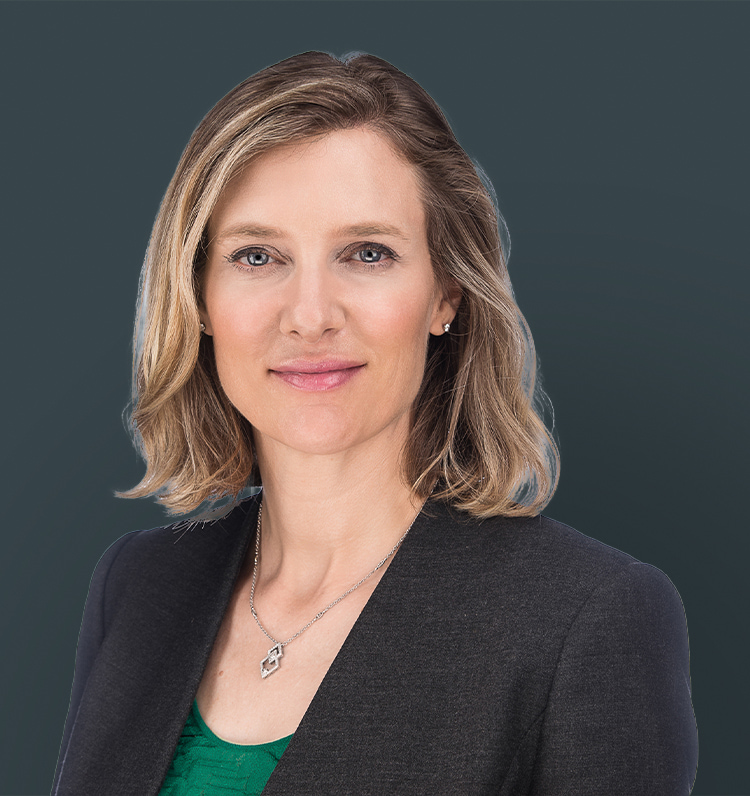
Dr. Sarah Mess

HOW IT WORKS

How Breast Augmentation Works

From consultation to final result — what happens at each stage.

1. Consultation and Sizing

Dr. Mess begins with a detailed anatomical assessment: chest wall shape, breast base diameter, skin envelope laxity, nipple to nipple distance, sternal notch to nipple distance, nipple-to-fold distance, and tissue thickness. These measurements — not cup size preferences — determine the implant parameters that will produce a natural, proportionate result. Dr. Mess uses Crisalix imaging to simulate outcomes before any decision is made. You will leave the consultation with a clear understanding of your recommended implant type, size range, placement, and incision approach.

2. Surgical Planning

Once implant parameters are confirmed, Dr. Mess plans the pocket technique. Depending on informed decision making with the patient, lifestyle, and anatomy, she uses either submuscular, subfascial, or subglandular. All submuscular implants have an appropriate degree of dual plane where the upper pole of the implant is covered by pectoral muscle and the lower pole is behind the breast tissue. Implants placed above the muscle are separated from the breast tissue by the muscle covering or fascia except Preservé, which are subglandular.

3. The Procedure

Breast augmentation is performed under general anesthesia at Dr. Mess’s AAAASF-accredited facility. The procedure takes approximately 1 to 1.5 hours. Incision placement — inframammary fold (most common), periareolar, or transaxillary — is determined based on implant type, size, and patient anatomy. The pocket is created, the implant is placed and positioned, and the incision is closed in dissolvable suture layers.

4. Immediate Recovery

You will wake up in a surgical bra. Dr. Mess follows the Enhanced Recovery After Surgery best practices. Dr. Mess performs ultrasound-guided nerve blocks, PECS I/II and subserratus nerve blocks. Patients also receive non-narcotic medication to relieve pain when they wake up. The first 48–72 hours involve the most discomfort — tightness across the chest is normal, particularly with submuscular placement. Most patients manage this with oral pain medication and muscle relaxer if submuscular. You will be seen for a follow-up within the first week.

5. Final Result

Results are visible immediately but soften and settle over 3–6 months as the implants drop and fluff into their final position. Scar maturation continues for 12–18 months.

Woman in white bra after breast augmentation

IDEAL CANDIDATES

Are You a Good Candidate for Breast Augmentation?

Patients come to Dr. Mess for straightforward primary augmentation, and they also come to her for more complex cases other surgeons may be less equipped to handle. When implant coverage is a concern — thin tissue, prior surgery, or a desire for a softer transition at the upper pole — Dr. Mess performs composite breast augmentation, combining an implant with fat transfer to improve soft tissue coverage and overall contour. She also evaluates every patient for whether a breast lift, on its own or combined with augmentation, would serve them better than augmentation alone.

The honest answer comes from a consultation — anatomy varies too much for a checklist to substitute for an in-person assessment.

Good candidates for breast augmentation generally:

  • Want to increase breast volume and have realistic expectations about the degree of change possible
  • Have adequate breast tissue to cover the implant — thin tissue coverage increases visible rippling risk
  • Are in good general health with no active infections or uncontrolled medical conditions
  • Are not pregnant or breastfeeding
  • Are at a stable weight — significant weight fluctuation after surgery affects implant appearance
  • Understand that implants are not lifetime devices and that reoperation is likely at some point
  • Are at least 22 years old for silicone implants or 18 for saline (FDA minimums)
  • Have completed a thorough consultation and reviewed the FDA’s patient decision checklist

We do not recommend breast augmentation for patients who:

  • Have significant breast ptosis (sagging) — augmentation alone will not lift the breast; a combined augmentation-lift may be appropriate
  • Have active breast disease, unresolved imaging findings, or a strong family history of breast cancer that has not been evaluated
  • Are seeking augmentation primarily due to external pressure rather than personal desire
  • Have unrealistic expectations about size, symmetry, or permanence
  • Are unwilling to commit to long-term follow-up and Ultrasound/MRI surveillance (for silicone implants)

If you are unsure whether you are a candidate, schedule a consultation. Dr. Mess will tell you directly — including if a different approach, such as a breast lift or fat transfer, would serve you better.

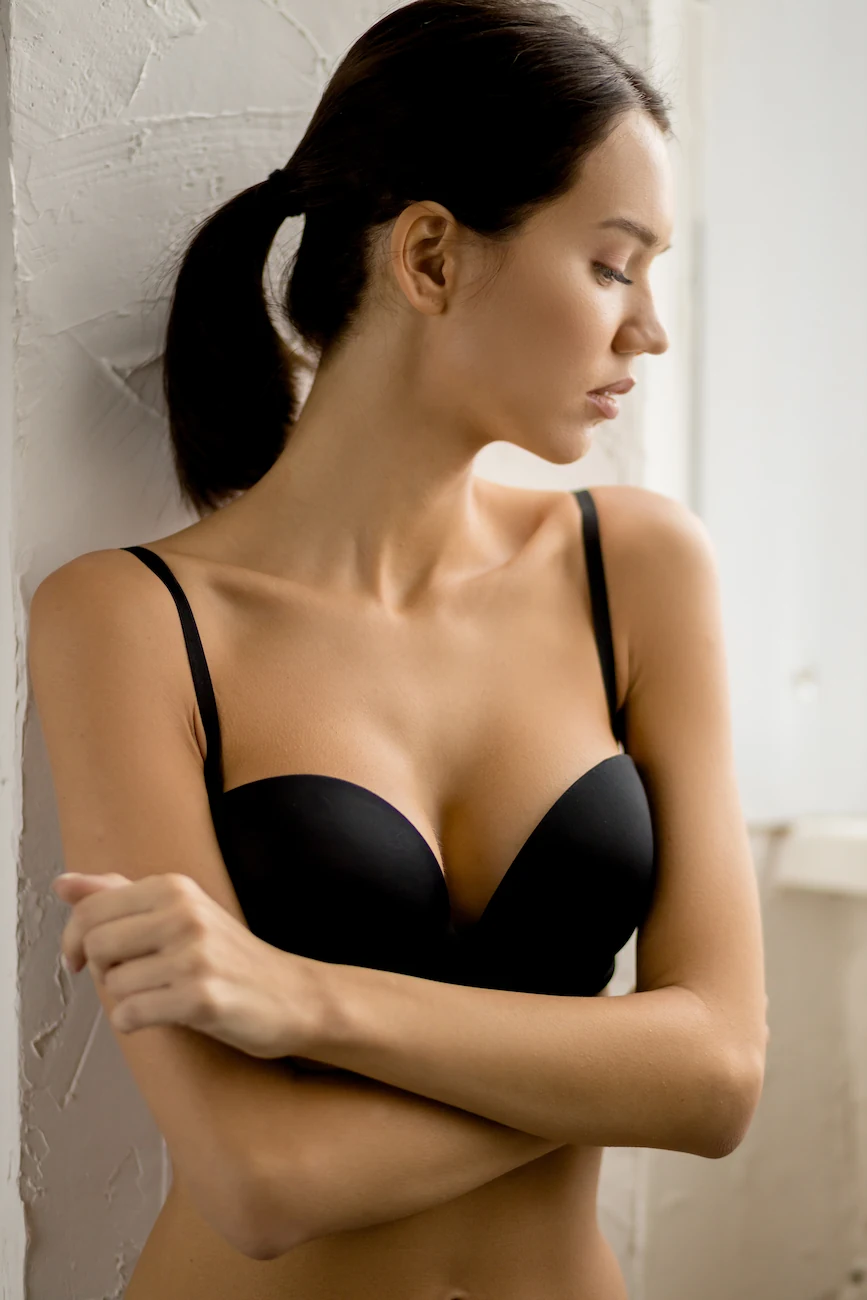
beautiful delicate woman wearing black brassiere stand looking side

SAFETY

Safety Profile and What to Know About Breast Implants

Breast implant surgery has a well-established safety record when performed by a board-certified plastic surgeon in an accredited facility. Understanding the real risk profile — not the marketing version — is part of how Dr. Mess approaches every consultation.

Capsular Contracture

The most common complication of breast augmentation is capsular contracture — the tightening of scar tissue around the implant. A 2025 meta-analysis in Aesthetic Surgery Journal Open Forum found it affects roughly 6–15% of patients over 10 years. Risk is meaningfully reduced by submuscular or dual-plane placement, smooth-shell implants, meticulous sterile technique, and antibiotic irrigation. Dr. Mess uses all of these as standard practice. Motiva’s 3-year FDA core study reported a capsular contracture rate of 0.5% in primary augmentation patients.

BIA-ALCL

Breast implant-associated anaplastic large cell lymphoma (BIA-ALCL) is a rare lymphoma of the fluid or capsule surrounding a breast implant. The Clemens 2023 PROFILE registry reviewed 330 confirmed U.S. cases and found none involved a smooth-only implant history — every case involved a textured device, with a substantial share tied to a single implant line recalled from the market in 2019. Dr. Mess uses smooth-shell implants, and to date, independent studies have not reported a confirmed BIA-ALCL case with Motiva implants. Textured Mentor implants are selected only in special circumstances to avoid bottoming out, with benefits and risks discussed prior to surgery.

Reoperation

Implants are not lifetime devices. The Coroneos 2019 FDA postapproval study shows approximately 11.7% of patients require reoperation within 7 years; the Forster 2019 reoperation study puts the 6–10 year figure closer to 20%. Reasons include capsular contracture, implant rupture, size change, and aesthetic revision. Dr. Mess discusses reoperation likelihood at every consultation because informed patients make better long-term decisions.

FDA Requirements and MRI Surveillance

The FDA mandates a boxed warning on all breast implants disclosing risks including BIA-ALCL, systemic symptoms, capsular contracture, and rupture. For silicone implants, the FDA recommends MRI screening at 5–6 years post-implantation and every 2–3 years thereafter to screen for silent rupture. Structured saline implants do not require MRI surveillance — rupture is immediately visible. Dr. Mess provides the FDA patient decision checklist at every preoperative consultation.

Quote Marks

I teach and present ultrasound techniques to plastic surgeons and aesthetic providers for the American Society of Plastic Surgeons and The Aesthetic Society. Implant integrity can be evaluated with ultrasound.

Dr. Sarah Mess

COMPARE YOUR OPTIONS

Breast Augmentation vs. Breast Lift vs. Fat Transfer

Breast Augmentation (Implants)Breast Lift (Mastopexy)Fat Transfer
Primary Goal Increase volume and projection Restore position and shape; remove excess skin Subtle volume increase using your own fat
Addresses Ptosis? No - added weight to breast but may fill out loose skin. Yes - primary indication No
Volume Change Significant - 1 to 3+ cup sizes None to minimal reduction Modest - typically less than 1 cup size
Anesthesia General unless Preservé with local General General or IV sedation
Recovery 1-2 weeks desk work; 6 weeks full 1-2 weeks desk work; 6 weeks full 1-2 weeks; donor site adds recovery
Longevity 10-20+ years before revision likely Long-lasting; gravity continues Variable - approx. 45-60% fat survival (Largo 2020)
Implant Required? Yes No No
Scarring Minimal (inframammary fold most common) More extensive (anchor or lollipop) Minimal
Cost range Quote provided at consultation Quote provided at consultation Quote provided at consultation
Ideal For Adequate skin envelope; wanting more volume Ptosis; post-pregnancy or weight-loss changes Subtle, natural enhancement without implants and adequate donor sites

Three procedures address breast appearance — they are not interchangeable. This table is a starting point, not a substitute for a consultation.

Some patients need both augmentation and a lift.

Fat survival data from: Largo RD et al. 2020 systematic review (approximately 45–60% fat retention under standard conditions). Dr. Mess uses the Viality system to process fat, with preliminary clinical data showing survival rates up to 80%.

WHAT TO EXPECT

Your Breast Augmentation Appointment — and the Days After

Most patients are surprised by how manageable recovery is. The first 48–72 hours are the most uncomfortable; by day 4 or 5, most patients are moving around the house normally.

Before Your Treatment

You will have a pre-operative appointment to finalize implant selection, review surgical markings, and complete pre-op labs and clearances. You will receive detailed instructions on medications to avoid (particularly blood thinners and NSAIDs), fasting requirements, and what to arrange at home for your recovery. Dr. Mess’s team will confirm your implant order and surgical plan.

During the Procedure

Breast augmentation is performed under general anesthesia at Dr. Mess’s AAAASF-accredited facility in Columbia, Maryland. The procedure takes approximately 1 to 1.5 hours. You will not feel anything during surgery. You will wake up in a surgical bra with mild to moderate chest tightness — this is normal and expected, particularly with submuscular placement.

Recovery Timeline

Day of — Expect grogginess from anesthesia, chest tightness, and mild to moderate discomfort. Have a responsible adult drive you home and stay with you the first night. Rest. No lifting, bending, or straining.

Days 1–3 — The most uncomfortable period. Tightness and pressure across the chest are normal. Oral pain medication manages this for most patients. Sleep on your back with your upper body slightly elevated.

Days 4–7 — Discomfort decreases significantly for most patients. No lifting, reaching overhead, or strenuous activity. Most patients are moving around the house comfortably. Follow-up appointment with Dr. Mess.

Weeks 1–2 — Most patients return to desk work and light daily activity. Driving is permitted once you are off narcotic pain medication and can react normally. No exercise, heavy lifting, or upper body exertion.

Weeks 2–6 — Gradual return to activity as directed. Implants begin to soften and settle. Most patients return to unrestricted activity at the 6-week mark.

Months 3–6 — Final implant position and softness achieved. Scars continue to fade. Results are fully visible.

Months 12–18 — Scar maturation complete.

Dr. Sarah Mess

YOUR SURGEON

Why Board-Certified Surgical Training Matters for Breast Augmentation

Breast augmentation is marketed as a straightforward procedure. It is not. The decisions made before surgery and carried out in the operating room — pocket dissection depth, implant positioning, management of the inframammary fold, handling of asymmetry — require the kind of anatomical judgment that comes from years of operative breast surgery across the full spectrum of complexity.

Dr. Mess has performed breast surgery in Columbia, Maryland since 2005. Her case volume includes primary augmentations, augmentation-mastopexy combinations, breast reductions, reconstructive cases, and revisions of other surgeons’ work. That breadth matters: a surgeon who has corrected complications understands how to avoid them. She performs dual-plane augmentation as her standard technique for most patients — a method that reduces capsular contracture risk, improves upper pole coverage, and produces more natural movement than full submuscular placement.

She uses VECTRA 3D imaging at every augmentation consultation — not as a sales tool, but as a precision planning instrument that lets patients preview a simulation of their result before surgery. Patients who understand what to expect make better decisions. That alignment between expectation and outcome is the single biggest driver of long-term satisfaction.

“My approach to breast augmentation focuses on the patient’s goals, starting point, and lifestyle. I guide the patient through the choices of incision placement, pocket, and implant selection best for their anatomy. We provide the best available 3D simulation. My team and I navigate patients through consultation to recovery. The goals are beautiful results and very happy patients.” – Dr. Sarah Mess

Credentials

  • Board-Certified — American Board of Plastic Surgery (since 2007)
  • Medical Degree summa cum laude — University of Maryland School of Medicine
  • Undergraduate Degree magna cum laude — University of Pennsylvania
  • Residency — Georgetown University Hospital
  • Faculty Appointment — Johns Hopkins University, Instructor of Plastic Surgery (since 2009)
  • Faculty Appointment — Georgetown University, Instructor of Aesthetic Surgery (since 2024)
  • Contributing Editor — Plastic and Reconstructive Surgery (official journal of ASPS)
  • Peer Reviewer — Aesthetic Surgery Journal (since 2016)
  • 25+ Peer-Reviewed Publications
  • Member — American Society of Plastic Surgeons
  • Member — The Aesthetic Society
  • Member — Northeastern Society of Plastic Surgeons
  • AAAASF-Accredited Surgical Facility
  • Active Staff Privileges — Howard County General Hospital (Johns Hopkins Medicine affiliate)
  • Over 20 Years Operative Breast Surgery Experience
  • Frequent Lecturer at Regional, National, and International Plastic Surgery Meetings

See Real Results from Dr. Mess’s Patients

Every patient’s anatomy is different, and so is every result. Browse before and after photos from Dr. Mess’s breast augmentation patients to see the range of outcomes possible for different body types and goals.

View Before & After Gallery

WHAT OUR PATIENTS ARE SAYING

What Our Patients Say About Breast Augmentation with Dr. Mess

Quote Marks

Dr. Mess is the best in my book. She's friendly and explains procedures thoroughly and makes sure you understand and that you're comfortable before she starts. Dr. Mess is professional and knows what she's doing. I'd recommend her to anyone.

L., RealSelf Review
Quote Marks

Top notch as usual. Dr. Mess listens and never makes you feel rushed. She is an excellent surgeon and artist. Her staff is always friendly and welcoming, both on the phone and in office. My surgical and aesthetic procedures have all gone very smoothly, and I trust Dr. Mess's expertise. I highly recommend her!

A., RealSelf Review
Quote Marks

Repeat customers are a true sign of excellent skilled service. Dr. Mess is beyond amazing and I just finished my third procedure with her, I've been a patient of hers since 2013. Her skills are amazing and her wonderful personality and bedside manner are the best. She is super attention to detail, goes over every detail of your procedure and makes you feel super confident that you've made the best choice in having her handle your plastic surgery and cosmetics needs. I WON'T go anywhere else. Look no further for the best plastic surgeon in the Baltimore Metro area.

O., RealSelf Review

FREQUENTLY ASKED QUESTIONS

Breast Augmentation FAQs

Is breast augmentation the same as a breast lift?

No — breast augmentation adds volume using implants; a breast lift (mastopexy) repositions and reshapes existing breast tissue by removing excess skin and tissue. Augmentation does not correct ptosis (sagging) and can sometimes make mild sagging more visible by adding weight. Patients with both volume loss and ptosis may need a combined augmentation-lift — a more complex procedure that Dr. Mess performs regularly.

Is breast augmentation safe?

Breast augmentation has a well-established safety record when performed by a board-certified plastic surgeon in an accredited facility — and like any surgical procedure, it carries some risks you deserve to understand before you decide.

The most common long-term complication is capsular contracture, affecting roughly 6–15% of patients over 10 years. Reoperation — for any reason — occurs in approximately 11.7% of patients within 7 years, and closer to 20% over a longer horizon. BIA-ALCL, the lymphoma associated with breast implants, has been exclusively in patients with textured implants across more than 330 cases globally. Textured implants are only used in special circumstances.

None of these numbers should frighten you out of a decision that is right for you. They should inform you. Dr. Mess reviews all of this at your consultation — not buried in a consent form at the end, but as part of the conversation from the start.

How long do breast implant results last?

Implants are not lifetime devices. Most patients can expect 10–20 years before revision is likely needed, though many implants last longer without complication. The FDA MRI surveillance guidance recommends screening at 5–6 years post-implantation for silicone implants and every 2–3 years thereafter to screen for silent rupture. Ultrasound is a less costly alternative, and Dr. Mess offers ultrasound for implant surveillance. Saline implants do not require MRI surveillance — rupture is immediately visible.

How is breast augmentation different from fat transfer breast augmentation?

Implant-based breast augmentation uses a silicone or saline device to add volume — it can increase breast size by 1 to 3+ cup sizes with predictable, durable results. Fat transfer breast augmentation harvests fat from another area of the body and injects it into the breast — it provides subtle, natural-feeling volume addition of roughly half a cup size, with variable fat survival. Fat transfer cannot produce the degree of size change most augmentation patients want, does not require an implant, and carries no capsular contracture risk. The right choice depends on your anatomy, goals, and how much volume change you are seeking.

Can breast augmentation fully correct breast asymmetry?

Breast augmentation can reduce the appearance of asymmetry by using different implant sizes in each breast, but it cannot fully correct significant asymmetry — particularly when the asymmetry involves differences in breast position, nipple location, or chest wall anatomy. Dr. Mess performs a detailed asymmetry assessment at every consultation and will be direct about what augmentation can and cannot achieve. For patients with significant asymmetry, see our breast asymmetry page.

What is capsular contracture and how is it prevented?

Capsular contracture occurs when the scar tissue (capsule) that naturally forms around an implant tightens and hardens, distorting the implant’s shape and causing discomfort. The Haas 2025 meta-analysis found it affects roughly 6–15% of patients over 10 years. Risk is reduced by submuscular or dual-plane placement (OR ~0.35 vs. subglandular), smooth-shell implants, meticulous sterile technique, and antibiotic irrigation. Dr. Mess uses all of these measures as standard practice.

Will I need more than one surgery?

Possibly – over a lifetime. Implants are not permanent devices. The Coroneos 2019 postapproval study shows approximately 11.7% of patients require reoperation within 7 years; the Forster 2019 reoperation study puts the 6–10 year figure closer to 20%. Reasons for reoperation include capsular contracture, implant rupture, size change, and aesthetic revision. Dr. Mess discusses this at every consultation because informed patients make better long-term decisions.

Are breast implants FDA-approved? What are the regulatory classifications and risks?

Yes. Silicone gel implants and structured saline implants are FDA Class III medical devices — the highest regulatory classification, requiring premarket approval (PMA). The FDA mandates a boxed warning on all breast implants disclosing risks including BIA-ALCL, systemic symptoms (sometimes called breast implant illness), capsular contracture, rupture, and the need for long-term follow-up. Motiva SmoothSilk implants (used in the Preservé technique) received FDA PMA approval in September 2024. Dr. Mess provides the FDA patient decision checklist at every preoperative consultation.

Do you see patients from Baltimore, Annapolis, Washington, D.C. or Virginia?

Yes. Dr. Mess sees patients from throughout the greater Baltimore–Washington corridor, including Baltimore, Annapolis, Bethesda, Washington, D.C., and Virginia. The Plastic Surgery Center of Columbia is located in Columbia, Maryland — approximately 20 minutes from Baltimore and 45 minutes from Washington, D.C. We offer virtual consultations for patients who prefer to begin the process remotely before traveling to Columbia for their in-person surgical consultation.

SCHEDULE TODAY

Ready to See What's Possible? Schedule Your Consultation with Dr. Mess.

A consultation with Dr. Mess is a working appointment — not a sales pitch. She will assess your anatomy, walk through your implant options, run Crisalix imaging, and give you her honest recommendation. If a different approach — a lift, fat transfer, or a combined procedure — would serve you better, she will tell you that directly.

The Plastic Surgery Center of Columbia serves patients from Columbia, Baltimore, Annapolis, Washington, D.C, and Virginia. We offer in-person and virtual consultations.

Call (410) 910-2350or book online.

Explore Related Procedures

Patients considering breast augmentation often explore the Preservé breast augmentation technique for a muscle-sparing approach, or a combined augmentation with lift for patients with both volume loss and ptosis. Patients with significant size concerns may also want to review breast reduction options.

For patients seeking a non-surgical breast enhancement option, Dr. Mess also performs alloClae™ non-surgical breast enhancement.

Learn more about Dr. Mess’s training, board certification, and approach to plastic surgery on her full biography page.

Trused Source Icon - Checkbox Sources

1 American Society of Plastic Surgeons. “2024 Plastic Surgery Statistics Report.” ASPS. 2025. https://www.plasticsurgery.org/news/plastic-surgery-statistics

2 Coroneos CJ, et al. “US FDA Breast Implant Postapproval Studies: Long-term Outcomes in 99,993 Patients.” Annals of Surgery. 2019. https://pubmed.ncbi.nlm.nih.gov/29697440/

3 U.S. Food and Drug Administration. “Breast Implants — Certain Labeling Recommendations to Improve Patient Communication.” FDA.gov. 2021. https://www.fda.gov/medical-devices/breast-implants/labeling-approved-breast-implants

4 Clemens MW, et al. “Patient Registry and Outcomes for Breast Implants and Anaplastic Large Cell Lymphoma Etiology and Epidemiology (PROFILE): Updated Report 2012-2020.” Plastic and Reconstructive Surgery. 2023;152(4S):16S-24S. https://pubmed.ncbi.nlm.nih.gov/36995215/

5 Ngo C, et al. “Chronic Pain After Breast Augmentation: A Systematic Review.” PMC. 2024. https://www.ncbi.nlm.nih.gov/pmc/articles/PMC11666212/ [PMC11666212]

6 U.S. Food and Drug Administration. “FDA Update on the Safety of Silicone Gel-Filled Breast Implants.” FDA.gov. 2011. https://www.fda.gov/media/80685/download

7 Forster NA, et al. “Reoperation Rates After Breast Augmentation.” PMC. 2019. https://www.ncbi.nlm.nih.gov/pmc/articles/PMC6853655/ [PMC6853655]

8 Swanson E. “Prospective Outcome Study of 225 Cases of Breast Augmentation.” Plastic and Reconstructive Surgery. 2013. https://pubmed.ncbi.nlm.nih.gov/23542253/

9 Tebbetts JB. “Dual Plane Breast Augmentation: Optimizing Implant-Soft-Tissue Relationships in a Wide Range of Breast Types.” Plastic and Reconstructive Surgery. 2001. https://pubmed.ncbi.nlm.nih.gov/11373572/

10 Vorstenbosch J, Islur A. “Correlation of Prediction and Actual Outcome of Three-Dimensional Simulation in Breast Augmentation Using a Cloud-Based Program.” Aesthetic Plastic Surgery. 2017;41(3):481-490. https://pubmed.ncbi.nlm.nih.gov/28289827/

11 U.S. Food and Drug Administration. “Motiva SmoothSilk/SilkSurface Breast Implants — PMA P230005.” FDA.gov. 2024. https://www.accessdata.fda.gov/scripts/cdrh/cfdocs/cfpma/pma.cfm?id=P230005

12 Glicksman C, Wolfe A, McGuire P. “The Study of the Safety and Effectiveness of Motiva SmoothSilk Silicone Gel-Filled Breast Implants in Patients Undergoing Primary and Revisional Breast Augmentation: Three-Year Clinical Data.” Aesthetic Surgery Journal. 2024;44(12):1273-1285. https://doi.org/10.1093/asj/sjae134

13 Largo RD, et al. “Systematic Review of Fat Grafting to the Breast: Meta-Analysis of Retention Rates.” Plastic and Reconstructive Surgery. 2020. https://pubmed.ncbi.nlm.nih.gov/32740582/

14 Shridharani S, et al. “Preliminary Results from the Prospective Multicenter Volume Retention Study of Viality™ with AuraClens™ Lipoaspirate Wash System Support the Effectiveness of Enhanced Viability Fat Transfer.” 2024;1-8. [Sientra White Paper] https://tiger-aesthetics.com/wp-content/uploads/2024/12/MDC-0914-R2-Sientra-Viality-White-Paper.pdf

Dr. Sarah Mess has either authored or reviewed and approved this content. Page Updated

Contact us to explore your options

Rejuvenate Your Face and Body

Many patients come to see Dr. Sarah Mess from the Baltimore, and Washington DC areas because of her ability to provide their face and body with a revitalized look that appears naturally youthful. For all of your cosmetic needs, please call (410) 910-2350 or use the form below to request a consultation.

Book an Appointment