


Breast Implants in Columbia, Maryland
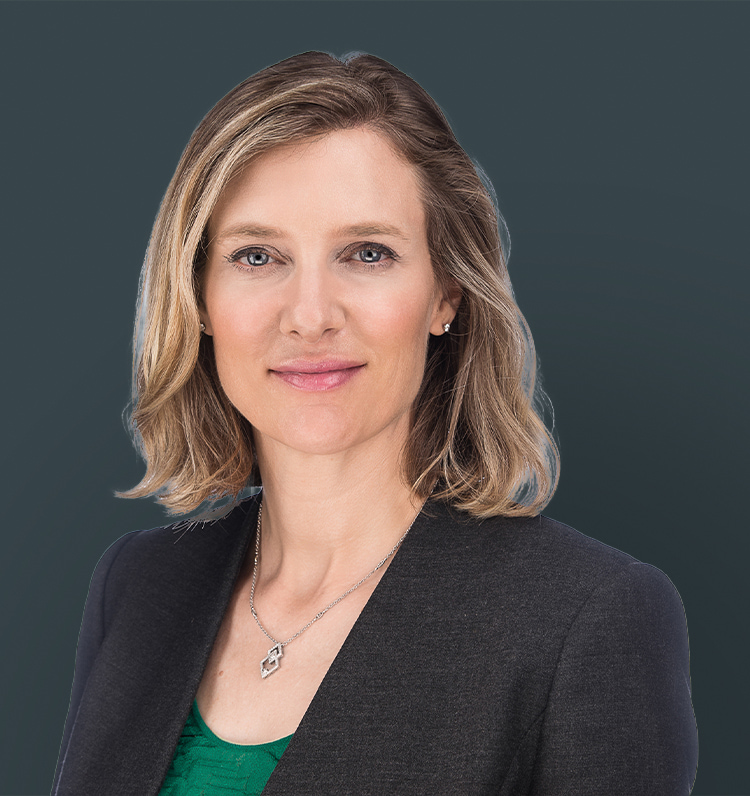
Personalized Augmentation with Dr. Sarah Mess
Board-Certified Plastic Surgeon | 20+ Years of Experience | Castle Connolly Top Doctor
When considering breast augmentation, you deserve a surgeon who combines clinical precision with artistic vision—someone who understands that your body is unique and your aesthetic goals deserve a customized approach. In Columbia, Maryland, board-certified plastic surgeon Dr. Sarah Mess specializes in helping women achieve natural-looking results through personalized breast implant surgery that aligns with their individual body type, lifestyle, and vision for themselves.
Schedule an Appointment
Breast augmentation remains one of the most popular cosmetic procedures in the United States. According to the American Society of Plastic Surgeons (ASPS), over 300,000 breast augmentation procedures are performed annually, making it the most commonly
Trusted Source
2024 Plastic Surgery Statistics
American Society of Plastic Surgeons
Go to Source
performed cosmetic surgery.
Yet despite its popularity, every patient’s journey is different—and your surgical plan should reflect that.
This comprehensive guide walks you through everything you need to know about breast implants, from choosing the right implant type to understanding your recovery timeline and addressing safety concerns, so you can make an informed decision with confidence.
- About Dr. Sarah Mess: Board-Certified Expertise You Can Trust
- Why Women Choose Breast Implants
- What Our Patients Say
- Understanding Breast Implant Types
- Breast Implant Shapes: Round vs. Ergonomic
- Implant Sizing: Finding Your Perfect Volume
- Advanced Technology: VECTRA® 3D Imaging
- Incision Placement Options
- Implant Placement: Submuscular vs. Subglandular
- Dr. Mess’s Approach to Breast Augmentation
- Your Personalized Consultation Process
- Preparing for Your Breast Augmentation Surgery
- Your Breast Augmentation Surgery
- Recovery Timeline and What to Expect
- Possible Complications and Safety
- Breast Implant Safety: Addressing Patient Concerns
- Breast Implants and Breastfeeding
- Breast Implants and Mammography
- Combination Procedures: Enhancing Your Results
- Before & After Gallery
- Frequently Asked Questions About Breast Implants

About Dr. Sarah Mess: Board-Certified Expertise You Can Trust
Dr. Sarah A. Mess, MD, FACS
Dr. Sarah Mess is a board-certified plastic surgeon with extensive training in cosmetic and reconstructive surgery. With over 20 years of clinical experience and 25+ years in the medical field, Dr. Mess has established herself as a trusted leader in aesthetic plastic surgery throughout the Baltimore-Washington DC region.
Credentials & Professional Recognition:
- Board Certification: American Board of Plastic Surgery (2007)
- Medical Degree: University of Maryland School of Medicine, MD (1999)
- Residency Training: MedStar Georgetown University Hospital Plastic Surgery (1999-2005) – One of the nation’s premier plastic surgery training programs
- Patient Satisfaction: 4.6/5 stars on RealSelf (48 verified patient reviews)
Professional Affiliations & Memberships:
- American Society of Plastic Surgeons (ASPS) – Program Committee Member
- The Aesthetic Society
- Johns Hopkins Howard County Medical Center – Affiliated Surgeon
- Plastic Surgery Center of Columbia
Dr. Mess is known for her ability to combine artistic vision with surgical precision, creating results that enhance her patients’ natural beauty while maintaining proportion and balance. She takes a personalized approach to every patient, ensuring that surgical plans align with individual anatomy, lifestyle, and aesthetic goals.
Why Women Choose Breast Implants
Women seek breast augmentation for deeply personal reasons. Whether you’re looking to restore volume lost after pregnancy and breastfeeding, balance your body proportions, correct asymmetry, or simply feel more confident in your own skin, breast implants offer a customizable solution tailored to your aesthetic goals.
Common motivations include:
- Restoring volume after pregnancy and weight loss – Pregnancy and breastfeeding can cause significant changes to breast tissue. Many women in the Baltimore and Columbia areas choose augmentation to restore the fullness and shape they had before these life changes.
- Achieving better body proportion – If you’ve always felt your breasts were disproportionate to your frame, implants can create the balanced, hourglass figure you desire.
- Correcting breast asymmetry – Many women are born with naturally asymmetrical breasts. Augmentation can address this concern and create a more harmonious appearance.
- Enhancing confidence and self-image – For many patients, breast augmentation is about feeling more comfortable and confident in their bodies, whether at the beach, in clothing, or in intimate settings.
- Breast reconstruction – Following mastectomy or breast cancer surgery, implants can help restore breast volume and shape as part of the reconstruction process.
Dr. Mess approaches each patient with empathy and without judgment. “Every woman who walks through our door has her own story and her own vision for herself,” Dr. Mess explains. “My role is to listen carefully, understand those goals, and create a surgical plan that honors her unique anatomy and aesthetic preferences.”
Patient Reviews
“Amazing doctor, amazing experience, amazing results! I am 2 months post-op and everything from the initial consultation to my results so far have been nothing short of a 5-star experience.”
–S.F., RealSelf Review
“Dr. Mess did a fabulous job on my breast augmentation! Once I finished breastfeeding my baby, my breasts just didn’t look the way they used to, they were smaller, without shape, and saggy. I am now 6 weeks post op and feel like a new person, they look wonderful, and I am so thankful! Besides being an excellent surgeon, her office and staff are amazing as well :) Highly recommended!”
–K.W., RealSelf Review
“Dr. Sara Mess is simply an artist! Her meticulous attention to detail and ability to achieve such natural, beautiful results are truly remarkable. She doesn't just perform surgeries; she sculpts confidence.”
–F.A., Google Review
“I cannot express enough what an amazing experience this has been! Dr. Mess truly cares about each patient and is such a perfectionist. She is absolutely the best around!”
-C.S., Google Review
“From start to finish I have been completely impressed with the level of professionalism and customer service received from Dr. Mess's office. I had symmetry concerns that have bothered me physically and emotionally for years. After careful research, I chose Dr. Mess and her staff and am so very thankful that I did. I believe Dr. Mess's ability to provide transformation is a true form of art. I'm thrilled with the results from my surgery. I've gained confidence and no longer feel self-conscious.”
-J.B., Google Review
Understanding Breast Implant Types
One of the most important decisions you’ll make is choosing between saline and silicone implants. Both are FDA-approved medical devices, but they differ in composition, feel, and how they respond if rupture occurs.
Saline Breast Implants
Saline implants consist of a silicone shell filled with sterile saltwater (saline solution). The surgeon fills these implants during your surgery, allowing for slight adjustments to volume and symmetry in the operating room.
Benefits:
- Smaller incision required (since the implant is filled after insertion)
- If rupture occurs, the saline is safely absorbed by the body, and deflation is immediately noticeable
- Generally less expensive than silicone implants
- FDA-approved for patients age 18 and older
Considerations:
- May feel slightly firmer than silicone implants
- Can sometimes produce a subtle rippling effect, particularly in thin-framed patients
- Requires precise surgical technique to ensure proper fill volume
Silicone Breast Implants
Silicone implants are pre-filled with silicone gel that mimics the consistency of natural breast tissue. Silicone implants have been safely used for decades and continue to be one of the most popular choices among patients.
Benefits:
- Feel more like natural breast tissue
- Silicone gel is cohesive, so if rupture occurs, the implant typically maintains its shape
- Less visible rippling, even in thin patients
- Many patients report greater satisfaction with the natural appearance and feel
Considerations:
- Slightly larger incision required
- If rupture occurs, it may not be immediately noticeable (silent rupture), requiring periodic monitoring
- FDA recommends MRI screening every 3 years to monitor implant integrity
- Generally more expensive than saline implants
- FDA-approved for patients age 22 and older
Breast Implant Shapes: Round vs. Ergonomic
Beyond the fill material, implants come in different shapes, each producing distinct aesthetic outcomes.
Round Implants
Round implants provide uniform fullness across the entire breast, creating noticeable upper pole projection and prominent cleavage. They’re an excellent choice if you desire a more voluptuous appearance or if you want maximum projection from your frame.
Ideal for:
- Patients seeking dramatic enhancement
- Those desiring prominent cleavage
- Smaller-framed women who want maximum impact
- Patients with naturally fuller breasts who want to maintain their aesthetic
Ergonomic (Anatomical/Teardrop) Implants
Ergonomic implants are shaped to mimic the natural contour of breast tissue, with more volume concentrated in the lower portion of the breast. This design creates a subtly lifted appearance that many patients find more naturally proportioned.
Ideal for:
- Patients seeking natural-looking enhancement
- Those with smaller or naturally drooping breasts
- Women who want a lifted appearance without a breast lift
- Patients prioritizing a proportionate, understated result
Implant Sizing: Finding Your Perfect Volume
One of the most common questions Dr. Mess hears is: “What breast size should I get?” The answer isn’t about cup size—it’s about volume, measured in cubic centimeters (CCs).
Breast implants are sized by volume, not bra cup size, because cup sizes vary dramatically between manufacturers and don’t account for your unique chest wall dimensions. Two women wearing the same bra size might need completely different implant volumes based on their natural breast tissue, chest width, and body frame.
Key sizing considerations:
- Volume (measured in CCs) – Implants typically range from 150 CCs to 800+ CCs. Most patients choose implants between 300-500 CCs for a natural-looking enhancement.
- Diameter – The width of the implant affects how it projects from your chest. A narrower implant with the same volume will project more dramatically than a wider implant.
- Projection – How far the implant extends from your chest wall. High-projection implants create more dramatic cleavage; moderate-projection implants create a more natural appearance.
- Your existing breast tissue – The amount of natural breast tissue you have significantly impacts how an implant will look. Dr. Mess carefully evaluates this during your consultation.

Advanced Technology: VECTRA® 3D Imaging
During your consultation, Dr. Mess uses VECTRA® 3D imaging technology to create a three-dimensional simulation of your expected results. This state-of-the-art visualization tool allows you to see multiple implant options on your specific body frame, helping you make an informed decision before surgery.
How VECTRA 3D Imaging Works:
- Advanced 3D camera system captures precise measurements of your chest and body proportions
- Computer software generates realistic simulations of different implant sizes, shapes, and projections
- You can view results from multiple angles (front, side, profile)
- Simulations help you visualize outcomes and communicate your preferences clearly with Dr. Mess
Patient Benefits:
- Informed Decision-Making – See potential results before committing to surgery
- Reduced Anxiety – Visualization removes guesswork and uncertainty
- Better Communication – Clear visual reference ensures Dr. Mess understands your aesthetic goals
- Realistic Expectations – Understand what’s achievable based on your unique anatomy
“The VECTRA 3D imaging is a game-changer for patient communication,” Dr. Mess notes. “Patients can actually see what different implant sizes and shapes will look like on their body, which removes so much of the guesswork and anxiety from the decision-making process.”
Incision Placement Options
The location of your surgical incision affects scarring, recovery, and surgical precision. Dr. Mess offers three incision options, each with distinct advantages.
Inframammary Incision (Most Common)
The inframammary incision is placed in the natural fold underneath your breast, where it’s easily hidden by bras and swimsuits.
Advantages:
- Most common and widely used technique
- Excellent visibility for precise implant placement
- Lower risk of complications
- Scar is well-hidden in the breast fold
- Does not affect nipple sensation
Considerations:
- Scar may be visible if you wear very low-cut clothing or go topless
Periareolar Incision
The periareolar incision is made around the border of the areola (the darker skin surrounding the nipple).
Advantages:
- Scar blends naturally with the areola border
- Good visibility for implant placement
Considerations:
- Slightly higher risk of affecting nipple sensation
- May impact breastfeeding ability in some cases
- Requires precise surgical technique
Transaxillary Incision
The transaxillary incision is made in the armpit, leaving no scar on the breast itself.
Advantages:
- No visible scarring on the breast
- Ideal for patients concerned about breast scarring
Considerations:
- Less precise implant pocket dissection
- Best suited for patients with no excess skin
- Requires specialized surgical expertise
- Less commonly used than inframammary approach
Implant Placement: Submuscular vs. Subglandular
Beyond incision location, Dr. Mess also discusses implant placement—whether the implant sits above or below your chest muscle.
Submuscular placement (beneath the pectoralis muscle) is recommended for larger breast implants and for thin upper pole breast tissue. It provides better long-term support, reduces the risk of capsular contracture, and creates a more natural appearance, particularly in thin-framed patients. Submuscular is most commonly recommended for augmentation and mastopexy combined.
Subglandular placement (above the muscle, beneath breast tissue) is appropriate for patients with adequate existing breast tissue or those seeking faster recovery. However, it may be more visible in very thin patients. Dr. Mess places the implant subfacial providing the best soft tissue coverage possible and respecting the natural anatomic borders of the breast. Subglandular/subfascial avoids animation deformity or jumping of the implant when the pectoralis muscle is flexed.
Subfacial placement (beneath the thin connective tissue layer—or fascia—that covers the pectoralis muscle) is a modern variation that offers an additional layer of coverage for a smoother contour. This approach minimizes implant movement during muscle flexion and provides a natural appearance without the potential animation deformity associated with full submuscular placement.
A dual plane approach (partially beneath the muscle and partially beneath the breast tissue) combines aspects of both submuscular and subglandular placement. The upper portion of the implant lies beneath the pectoralis muscle, while the lower portion sits under the breast tissue. This technique allows for a smooth upper contour with a more natural drape in the lower breast and is often ideal for patients with mild sagging or those desiring a balanced, natural shape.
Your Personalized Consultation Process
Your breast augmentation journey begins with a comprehensive consultation at our Columbia, Maryland practice. During this appointment, Dr. Mess takes time to understand your aesthetic goals, evaluate your anatomy, discuss your lifestyle, and answer all your questions.
What to expect:
- Detailed goal discussion – Dr. Mess listens carefully to your vision and motivations, ensuring she fully understands what you hope to achieve.
- Physical examination – She evaluates your chest wall dimensions, existing breast tissue, skin quality, and body proportions to determine what implant options will work best for your frame.
- VECTRA 3D imaging – You’ll see multiple implant options simulated on your specific body, helping you visualize potential outcomes.
- Implant selection – Together, you’ll narrow down your choices regarding implant type, size, shape, and placement.
- Surgical planning – Dr. Mess explains the surgical approach, recovery timeline, and what to expect before, during, and after surgery.
- Questions and concerns – You’ll have ample time to ask questions and address any concerns before committing to surgery.
Preparing for Your Breast Surgery
Proper preparation significantly impacts your surgical outcome and recovery. Dr. Mess provides detailed pre-operative instructions, which typically include:
- Smoking cessation – Stop smoking at least 2-4 weeks before surgery to improve healing and reduce complications
- Medication adjustments – Discontinue blood thinners, aspirin, and certain supplements as directed
- Fasting – Nothing to eat or drink after midnight the night before surgery
- Arrange transportation – Arrange for someone to drive you home and stay with you for at least 24 hours post-op
- Prepare your recovery space – Set up a comfortable recovery area with extra pillows, loose clothing, and easy access to medications and entertainment
- Stock your kitchen – Prepare easy-to-eat meals and have pain medication filled before surgery
Your Breast Augmentation Surgery
On the day of your surgery, you’ll arrive at our accredited surgical facility in Columbia, Maryland. Dr. Mess may bring several implant options into the operating room to ensure the implants you receive are the absolute best choice for your body.
The procedure typically takes 1-2 hours, depending on complexity. You’ll receive general anesthesia to ensure your comfort throughout the surgery. Dr. Mess carefully creates the implant pocket, places the implants, and closes the incisions with meticulous attention to detail.


Download This Free Breast Augmentation Decision Aid
What is the purpose of this decision aid?
- Introduce the decisions necessary to consider before breast augmentation surgery
- Educate you on the essential information you need to know to make each decision.
- Identify your goals, values, and preferences relevant to each decision and cleary communicate them to your Plastic Surgery team.
*By submitting this form you consent to receive phone calls, text messages and emails from Sarah Mess. It is not a condition of purchasing any goods or services. You can opt out at any time, message/data rates may apply, and opting-in includes acceptance of the Privacy Policy and Terms of Use. Communications through this website or via email are not encrypted and are not necessarily secure. Use of the internet or email is for your convenience only, and by using them, you assume the risk of unauthorized use.
Your Breast Augmentation Surgery
On the day of your surgery, you’ll arrive at our accredited surgical facility in Columbia, Maryland. Dr. Mess may bring several implant options into the operating room to ensure the implants you receive are the absolute best choice for your body.
The procedure typically takes 1-2 hours, depending on complexity. You’ll receive general anesthesia to ensure your comfort throughout the surgery. Dr. Mess carefully creates the implant pocket, places the implants, and closes the incisions with meticulous attention to detail.
Recovery Timeline and What to Expect
Understanding your recovery timeline helps you plan appropriately and manage expectations.
Days 1-3 (Immediate Post-Op):
- You’ll experience soreness, swelling, and tightness in your chest
- Pain is typically well-managed with prescribed medications
- You’ll wear a surgical bra or compression garment to support healing
- Avoid strenuous activity and heavy lifting
Weeks 1-2:
- Swelling peaks around day 3-5, then gradually subsides
- Most patients return to light desk work and daily activities
- Continue wearing your surgical bra
- Avoid heavy lifting, strenuous exercise, and overhead activities
Weeks 3-6:
- Swelling continues to decrease
- You can gradually return to normal activities
- Most patients can resume light exercise (walking, stationary cycling) around week 4
- Avoid high-impact exercise and heavy lifting until cleared by Dr. Mess
Months 2-3:
- Significant swelling has resolved
- You can typically return to all normal activities, including strenuous exercise
- Implants begin to “drop and fluff” (settle into their final position and soften)
- Final results become increasingly apparent
Months 3-6:
- Implants continue to settle into their final position
- Final aesthetic results are fully visible
- Scars begin to fade and mature

Possible Complications and Safety
While breast augmentation is generally safe when performed by a board-certified plastic surgeon, it’s important to understand potential complications. According to FDA data on breast implants, major complications occur in approximately 1-3% of cases.
Possible complications include:
- Capsular contracture – Scar tissue tightens around the implant, potentially causing firmness or discomfort. This occurs in approximately 5-10% of patients and can be treated surgically if necessary.
- Implant rupture – Silicone implants may rupture silently; saline implants deflate noticeably. Modern implants are highly durable, but rupture can occur over time. Studies show rupture rates of approximately 1% per year for silicone implants.
- Infection – Rare but serious; treated with antibiotics or implant removal if severe. Infection rates are typically less than 1% with proper surgical technique.
- Bleeding or hematoma – Fluid collection that may require drainage. Occurs in less than 1% of cases.
- Changes in nipple sensation – Usually temporary but can be permanent in rare cases (approximately 1-5% of patients).
- Asymmetry – Minor differences in implant position or size may require
Trusted Source Food and Drug Administration U.S. Go to Source revision surgery.
Dr. Mess takes every precaution to minimize complications through meticulous surgical technique, proper patient selection, and detailed post-operative care instructions.
Breast Implant Safety: Addressing Patient Concerns
In recent years, patients have raised concerns about various conditions potentially associated with breast implants, including “breast implant illness” (BII) and other implant-related syndromes. As a board-certified plastic surgeon committed to informed patient decision-making, Dr. Mess believes it’s important to address these concerns transparently.
What is Breast Implant Illness (BII)?
“Breast implant illness” is a term used by some patients to describe a constellation of symptoms they attribute to their breast implants, including fatigue, joint pain, cognitive difficulties, and autoimmune-like symptoms. However, it’s important to understand that BII is not an FDA-recognized diagnosis, and the scientific evidence linking these symptoms specifically to breast implants remains
Trusted Source
Breast Implant Illness - Frequently Asked Questions/Talking Points
The American Society for Aesthetic Plastic Surgery
Go to Source
limited and controversial.
According to the FDA’s position on breast implants, while some patients report symptoms they believe are related to their implants, large-scale scientific studies have not established a clear causal link between breast implants and systemic disease. The FDA continues to monitor implant safety through post-market surveillance and
Trusted Source
Food and Drug Administration
U.S.
Go to Source
clinical research.
What Does the Research Show?
Research published in peer-reviewed journals has not found consistent evidence that breast implants cause autoimmune disease, connective tissue disease, or other systemic conditions. However, researchers acknowledge that:
- Some patients do report symptoms they attribute to implants
- Individual experiences vary widely
- More research is needed to understand the relationship between implants and patient-reported symptoms
- Implant rupture or silicone leakage may cause localized complications
BIA-ALCL: A Specific Implant-Related Concern
One implant-related condition that has been more clearly documented is BIA-ALCL (Breast Implant-Associated Anaplastic Large Cell Lymphoma), a rare type of lymphoma that can develop in the scar tissue around breast implants. Here are the facts:
- BIA-ALCL is extremely rare, with fewer than 1,000 cases
Trusted Source Breast Implant Associated Anaplastic Large Cell Lymphoma (BIA-ALCL) American Society of Plastic Surgeons Go to Source reported worldwide
- It occurs almost exclusively with textured implants, not smooth implants
- Most cases have been successfully treated with implant removal and scar tissue removal
- The FDA has recommended that manufacturers provide clear information about BIA-ALCL risk
Dr. Mess most often uses Sientra smooth implants and Motiva SmoothSilk® implants. While Motiva SmoothSilk® implants are classified as “smooth,” their surface is technically considered nano-textured. These implants have demonstrated a very low association with BIA-ALCL in available data. Dr. Mess stays current with FDA recommendations regarding implant safety and can discuss the latest research and risk information during your consultation.
Modern Implant Safety
Today’s breast implants are safer than ever:
- Modern silicone implants have improved shell integrity and durability
- Smooth implants essentially eliminate the primary risk factor for BIA-ALCL from macro textured implants
- Rigorous FDA approval processes ensure implant safety before they reach patients
- Long-term safety data supports the safety profile of modern implants
If You Have Concerns About Your Implants
If you have existing implants and are experiencing symptoms you believe may be related to them, Dr. Mess recommends:
- Schedule a consultation – Discuss your symptoms and concerns with Dr. Mess
- Medical evaluation – Work with your primary care physician to evaluate your symptoms
- Imaging studies – MRI or ultrasound can assess implant integrity
- Informed decision-making – Discuss all options, including implant removal, with Dr. Mess
- Ultrasound implant observation – Begin routine ultrasound observation about 5 years after surgery. Dr. Mess performs in-office ultrasound evaluations to visually assess implant integrity and detect potential ruptures. While this is not a formal diagnostic test, it allows for early identification of changes that may warrant further imaging. Dr. Mess is a recognized thought leader and trainer in the use of ultrasound for plastic surgery.
Dr. Mess respects patient autonomy and will support whatever decision you make regarding your implants, whether that’s keeping them, replacing them, or removing them.
Moving Forward with Confidence
The decision to get breast implants is deeply personal. While it’s important to be aware of potential concerns, it’s equally important to understand that modern breast implants have an excellent safety record when placed by experienced, board-certified surgeons. Dr. Mess is committed to:
- Using the safest implant options available
- Staying current with FDA guidelines and safety recommendations
- Providing transparent information about all risks and benefits
- Supporting your long-term health and satisfaction
If you have questions about breast implant safety, BII, BIA-ALCL, or any other concerns, Dr. Mess welcomes the opportunity to discuss them during your consultation.
Breast Implants and Breastfeeding
Many women wonder whether breast implants will affect their ability to breastfeed. The good news: for most women, breastfeeding with implants is possible. Breast implants do not typically interfere with milk production or breastfeeding ability, particularly when implants are placed submuscularly and the periareolar incision is
Trusted Source
The impact of cosmetic breast implants on breastfeeding: a systematic review and meta-analysis
Schiff, M, et al
Go to Source
avoided.
However, if you plan to breastfeed in the future, discuss this with Dr. Mess during your consultation so she can plan your surgery accordingly.
Breast Implants and Mammography
If you have breast implants, you can still receive mammograms. However, it’s important to inform your imaging facility and technologist that you have implants before your appointment. Special imaging techniques may be used to visualize breast tissue around the implants.
Women with breast implants should continue regular mammogram screening as recommended for their age group.
Combination Procedures: Enhancing Your Results
Many patients benefit from combining breast augmentation with other procedures to achieve their aesthetic goals.
Breast Augmentation with Breast Lift
If you have sagging breasts in addition to volume loss, combining augmentation with a breast lift can provide dramatic results. The lift repositions your breast tissue higher on your chest, while the implant restores volume. This combination is particularly popular among women addressing post-pregnancy body changes.
Breast Augmentation with Liposuction
Body contouring procedures like liposuction can be combined with breast augmentation to create a more balanced silhouette. Many patients choose this combination as part of a “mommy makeover” to address post-pregnancy body changes, including excess abdominal fat and loose skin.
Breast Augmentation with Tummy Tuck
A comprehensive mommy makeover might include breast augmentation, tummy tuck (abdominoplasty), and liposuction to restore your pre-pregnancy body contours. This combination addresses multiple areas of concern in a single surgical session, reducing overall recovery time compared to staged procedures.
Dr. Mess can discuss which combination procedures might help you achieve your aesthetic goals during your consultation.
Frequently Asked Questions About Breast Implants
How long do breast implants last?
Modern breast implants are designed to last many years. However, they are not lifetime devices. Some implants may need replacement after 10-20 years due to rupture, deflation, or patient
Trusted Source
Food and Drug Administration
U.S.
Go to Source
preference.
Dr. Mess recommends periodic monitoring and follow-up appointments to ensure your implants remain healthy.
Will my implants look natural?
Yes, when properly sized and placed by an experienced surgeon, modern implants look and feel very natural. Dr. Mess specializes in creating natural-looking results that enhance your body proportions rather than appearing obvious or overdone. During your consultation, VECTRA 3D imaging helps you visualize realistic outcomes specific to your body.
Can I have an MRI with silicone implants?
Yes, you can safely have an MRI with silicone implants. Inform your MRI technician that you have implants before your scan.
What is the cost of breast augmentation in Columbia, Maryland?
The cost of breast augmentation varies based on implant type, surgical complexity, and facility fees. During your consultation, Dr. Mess will provide a detailed cost estimate for your unique treatment plan. Many patients explore financing options to make the procedure more affordable. [See Cost Transparency Section Above]
Where can I find breast implants near me in Columbia, Maryland?
Dr. Sarah Mess, MD, LLC is conveniently located in Columbia, Maryland, serving patients throughout the Baltimore-Washington DC area, including Ellicott City and surrounding communities. Dr. Mess is a board-certified plastic surgeon with over 20 years of experience and specializes in personalized breast augmentation that delivers natural-looking results aligned with your unique aesthetic goals. Schedule your consultation today to discuss your breast implant options.
Can I combine breast augmentation with other treatments?
Absolutely. Many patients combine breast augmentation with breast lift, liposuction, tummy tuck, or other body contouring procedures to achieve comprehensive aesthetic results. During your consultation, Dr. Mess will discuss which combination procedures might benefit you.
Will breast implants affect my ability to exercise?
After your initial recovery period (typically 4-6 weeks), you can return to all normal exercise activities, including high-impact activities like running and CrossFit. During the first few weeks, you’ll need to avoid strenuous activity and heavy lifting to allow proper healing. Dr. Mess will provide specific guidelines based on your individual recovery.
Is breast implant illness (BII) real?
Breast implant illness is not an FDA-recognized diagnosis, and large-scale scientific studies have not established a clear causal link between breast implants and systemic disease. However, some patients do report symptoms they attribute to their implants. If you have concerns about BII or other implant-related symptoms, discuss them with Dr. Mess during your consultation. She can help you evaluate your symptoms and discuss all available options.
Schedule Your Breast Augmentation Consultation
Ready to explore your breast augmentation options? Dr. Sarah Mess and her team are here to answer your questions and help you achieve your aesthetic goals.
Dr. Mess believes that every patient deserves a thorough, personalized consultation where your concerns are heard, your goals are understood, and your questions are answered without rush or pressure. During your initial consultation, you’ll have the opportunity to meet Dr. Mess, discuss your aesthetic vision, view VECTRA 3D imaging simulations, and develop a customized surgical plan tailored to your unique body and lifestyle.
Whether you’re exploring breast augmentation for the first time, considering revision surgery, or simply want to learn more about your options, Dr. Mess’s team is ready to guide you through the process with expertise, compassion, and transparency.
Contact our Columbia, Maryland office today to schedule your private consultation. We serve patients throughout Baltimore, Columbia, Ellicott City, and the greater Washington DC area. Our team looks forward to helping you take the next step toward achieving the confident, beautiful results you deserve.
1 American Society of Plastic Surgeons. 2024 Plastic Surgery Statistics. Available: https://www.plasticsurgery.org/news/plastic-surgery-statistics. Accessed October 29, 2025.
2 U.S. Food and Drug Administration. Risks and Complications of Breast Implants. Available: https://www.fda.gov/medical-devices/breast-implants/risks-and-complications-breast-implants. Accessed October 29, 2025.
3 The American Society for Aesthetic Plastic Surgery. Breast Implant Illness – Frequently Asked Questions/Talking Points. Available: https://www.surgery.org/sites/default/files/downloads/BII-Talking-Points-FINAL-1.15.19.pdf. Accessed October 29, 2025.
4 U.S. Food and Drug Administration. Risks and Complications of Breast Implants. Available: https://www.fda.gov/medical-devices/breast-implants/risks-and-complications-breast-implants. Accessed October 29, 2025.
5 American Society of Plastic Surgeons. Breast Implant Associated Anaplastic Large Cell Lymphoma (BIA-ALCL). Available: https://www.plasticsurgery.org/patient-safety/breast-implant-safety/bia-alcl-summary. Accessed October 29, 2025.
6 Schiff, M, et al. The impact of cosmetic breast implants on breastfeeding: a systematic review and meta-analysis. International Breastfeeding Journal 2014; 9: 17.10.1186/1746-4358-9-17. Accessed October 29, 2025.
7 U.S. Food and Drug Administration. What to Know About Breast Implants. Available: https://www.fda.gov/consumers/consumer-updates/what-know-about-breast-implants. Accessed October 29, 2025.
Dr. Sarah Mess has either authored or reviewed and approved this content. Page Updated