DermaClae™
in Columbia, MD

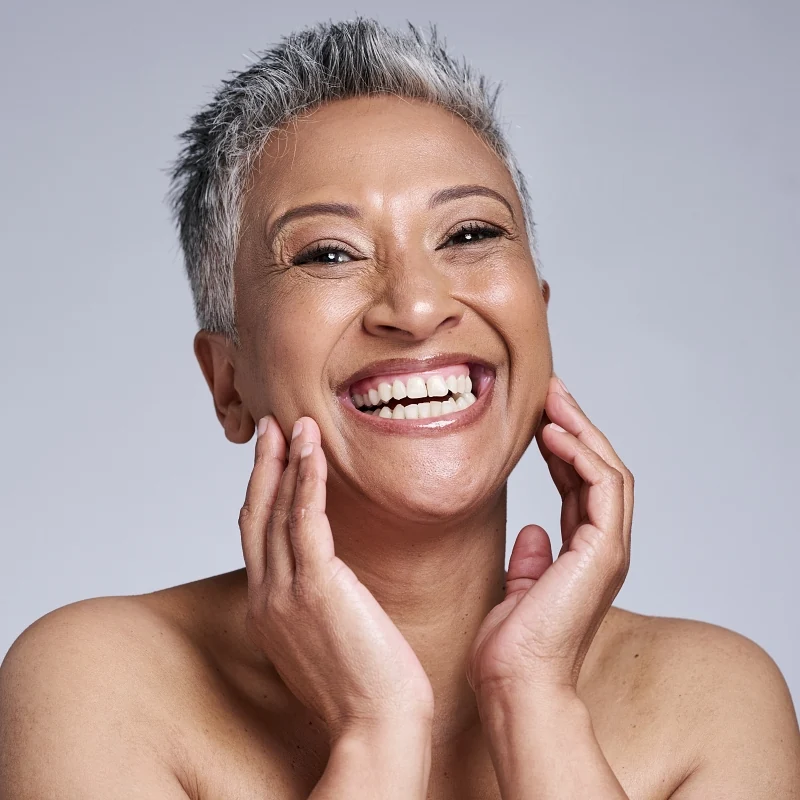
beautiful mature woman in 50's with smooth skin

Regenerative Volume. No Synthetic Filler. No Liposuction. No Surgery.

Facial aging runs deeper than the surface. The fat pads that give the face its fullness gradually shrink with age—and no topical product reaches them. For years, the only real options were synthetic fillers that dissolve, fat grafting that requires surgery, or implants that never feel like your own skin.

DermaClae™ is different. It is a human-derived, decellularized adipose matrix—an injectable biological scaffold your body repopulates with its own fat cells and blood vessels. Dr. Sarah Mess, board-certified plastic surgeon, performs every treatment in-office at the Plastic Surgery Center of Columbia.

Columbia, MD – Serving Greater Baltimore (410) 910-2350

Schedule an Appointment
beautiful mature woman in 50's with smooth skin

Board-Certified · ABPS

AAAASF-Accredited Facility

Castle Connolly Top Doctor

20+ Years Experience

Faculty: Johns Hopkins & Georgetown

Quote Marks

I had the most incredible experience with Dr. Sarah Mess and her entire team. Everyone was kind, caring, knowledgeable, and supportive. Dr. Sarah Mess made me feel very comfortable, and gave me the most life-changing results. I am grateful for how much thought, care, and detail she put into her work with me, and I cannot recommend her enough!

Hannah S. - Columbia, MD

Key Takeaways

What You Need to Know About Dermaclae

No synthetic filler, no surgery.
DermaClae uses purified donor fat matrix—no operating room, no general anesthesia, no liposuction required.

Regenerative results.
DermaClae provides a biological scaffold your body repopulates with its own fat cells and blood vessels. Volume improves progressively over 3 to 6 months.

Clinically studied.
Published research confirms new fat cell formation, vascular ingrowth, and improvements in skin tone, smoothness, and texture.

Minimal downtime.
Most patients return to normal activities the same day or the following morning.

Multiple treatment areas.
Cheeks, temples, under-eye hollows, jawline, and hands—all in-office, about an hour.

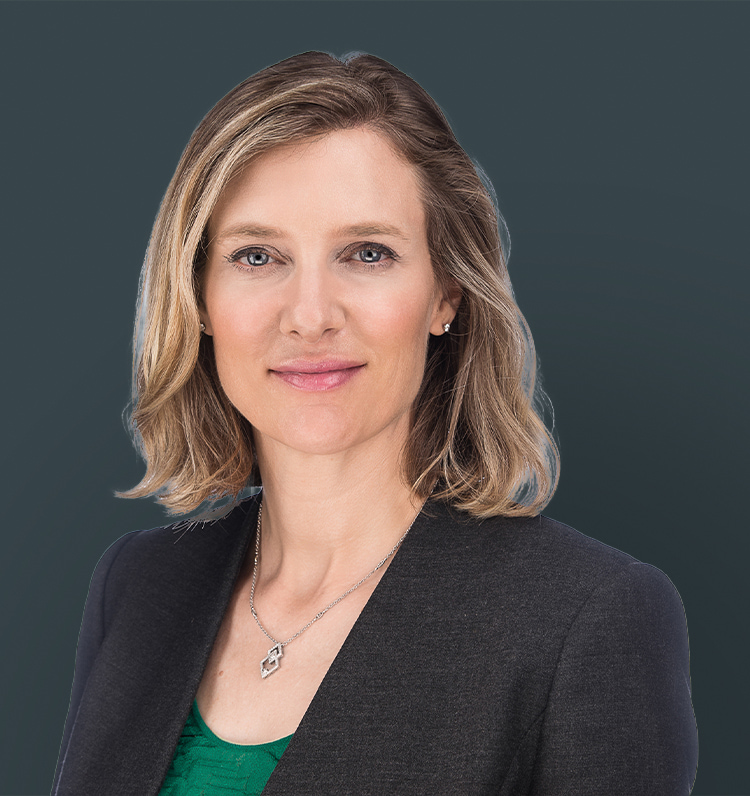
Performed by Dr. Sarah Mess,
board-certified plastic surgeon, at the Plastic Surgery Center of Columbia.

Middle age woman with short hair smiling happily

Volume Loss Is the Real Story of Facial Aging

You have probably noticed the changes—but you may not have recognized what is driving them. The hollowing beneath your eyes. The flatness where your cheeks used to be full. The temples that look slightly sunken. These are not signs that your skin is failing.

They are signs that the fat pads beneath the surface—the ones that give the face its youthful structure—have gradually diminished. This process begins in your thirties and accelerates with each decade. Skincare does not reach it. Traditional fillers buy time, but they dissolve. And they do nothing to address the underlying biology of what has been lost.

DermaClae exists for exactly this. Not to mask the problem temporarily, but to give your body the framework it needs to rebuild.

The Technology

What Is DermaClae?

DermaClae is a structural adipose filler—the first of its kind designed specifically for the face. It is derived from donated human fat tissue, processed to remove all cells and DNA while preserving the extracellular matrix (ECM): the collagen-rich biological scaffolding that gives fat its natural architecture and signaling properties.

Once injected, DermaClae does not sit in the tissue the way a hyaluronic acid filler does. It acts as a framework—your body’s own stem cells move in, new fat cells form, and blood vessels follow. Over the weeks after treatment, the scaffold is gradually replaced by living tissue. The result is soft, stable, and natural. Not because it mimics your tissue, but because it becomes it.

DermaClae is regulated by the FDA as a Human Cell and Tissue Product (HCT/P) under 21 CFR Part 1271—the same regulatory category as donated tissue matrices used in reconstructive surgery for decades.

No synthetic gel. No foreign material. No liposuction required.

Dr. Mess was among the first physicians on the East Coast invited to offer DermaClae—a reflection of her surgical expertise and her standing in the field of plastic surgery. If your goals require something DermaClae cannot achieve, she will tell you directly at your consultation and point you toward the right option.


Treatment Areas

What Can DermaClae Address?

DermaClae is designed for facial volume restoration — specifically the areas where fat pad loss is most visible and most resistant to other treatments. Dr. Mess evaluates each patient’s anatomy individually and determines the appropriate treatment areas at consultation.

Common indications include:

Cheek and midface volume loss: the flattening of the malar region that gives the face a hollowed or gaunt appearance

Temple hollowing: sunken temples that age the upper face and make the skull more prominent

Under-eye support: volume loss in the tear trough and periorbital area in appropriate candidates, where structural support has diminished

Prejowl sulcus: the depression along the jawline that deepens with age and contributes to jowl formation

Mild facial asymmetry: targeted volume placement to address differences between the two sides

Soft contour irregularities: subtle surface inconsistencies that do not warrant a surgical approach

DermaClae is not a replacement for surgical facial rejuvenation when significant skin laxity or structural change is the primary concern. Dr. Mess will tell you directly at your consultation whether DermaClae is the right tool for your specific anatomy — or whether a different approach would serve you better.

Middle age group of friends outside after workout

Ideal Candidates

Who Is DermaClae For?

Good candidates generally:

  • Have noticed hollowing in the cheeks, temples, prejowl area, or under-eye region and want a result that looks and feels like their own tissue
  • Want a longer-lasting, regenerative alternative to fillers that dissolve
  • Prefer to avoid liposuction or a surgical procedure
  • Are in good general health with no active infections in the treatment area
  • Have realistic expectations about a gradual, progressive improvement over 3 to 6 months

We do not recommend DermaClae for patients who:

  • Are pregnant or breastfeeding
  • Have active skin infections or inflammatory conditions in the treatment area
  • Have a known hypersensitivity to human tissue products

Not sure if you qualify? Dr. Mess will give you a direct, honest assessment at your consultation. Schedule here.

Schedule an Appointment

woman in her 30s outside stretching
Happy middle age woman with glasses

Safety

Safety Profile and What to Know

DermaClae has a favorable safety profile across published clinical studies. The most commonly reported side effects are mild, localized, and temporary: swelling, bruising, and tenderness at injection sites. In a multicenter pilot study, no serious adverse events were reported across all treated patients. Minor injection-site reactions resolved within 4 weeks.

DermaClae is derived from donated human tissue processed under strict FDA-regulated tissue-banking standards. All donor tissue undergoes rigorous screening, serological testing, and terminal sterilization. Because cellular components that could trigger an immune response are removed during processing, allergic reactions are rare.

As with any injectable procedure, risks include infection, asymmetry, and the possibility of palpable irregularity. Careful patient selection and sterile technique reduce those risks. Dr. Mess reviews every patient’s complete medical history at consultation to confirm appropriateness for treatment.

Compare Your Options

DermaClae vs. Traditional Fillers and Fat Grafting

DermaClaeHyaluronic Acid FillersAutologous Fat Grafting
Origin Human allograft ECM Synthetic gel Your own fat
Surgery required No No Yes (liposuction)
Anesthesia Local only None General or sedation
Mechanism Regenerative scaffold Volume displacement Adipocyte transplant
Integration Becomes your own tissue Dissolves over time Variable survival
Downtime Minimal — same day Minimal Moderate to significant
Longevity Long-term once remodeling completes 6–18 months Variable (10%–90% retention)
Cost range Quote provided at consultation Varies by volume and area Quote provided at consultation
Skin quality improvement Yes Limited Limited
Ideal for Facial hollowing; filler fatigue; surgery-averse patients Immediate volume; short-term correction Larger natural result with sufficient donor fat

What To Expect

Your DermaClae Appointment - and the Days After

Dr. Mess performs every DermaClae treatment in-office under sterile technique. No general anesthesia. No surgical suite. Most patients drive themselves home and return to their normal routine the same day or the following morning.

Step 1: Your Consultation

Every DermaClae treatment begins with a one-on-one consultation with Dr. Mess at our Columbia, Maryland practice. She evaluates your facial anatomy, reviews your aesthetic goals, and gives you a direct, honest assessment of what DermaClae can achieve for your specific case—and what it cannot. If a different approach would serve you better, she will tell you.

Step 2: The In-Office Procedure

The treatment area is numbed with local anesthetic or topical numbing. Using a fine cannula, Dr. Mess places DermaClae precisely into the subcutaneous tissue of the target area. Treatment typically takes about an hour, depending on the number of areas addressed.

Common treatment areas:

  • Cheeks and midface (malar region)
  • Prejowl sulcus and jawline
  • Temples
  • Under-eye hollows
  • Dorsal hands

Step 3: Immediate Results, with Continued Improvement

You will see initial volume the same day. Over the following days, any mild swelling or bruising resolves. Over the following weeks, something more significant happens: your body’s own cells populate the scaffold, new fat forms, and blood vessels follow. Most patients notice continued improvement through the 3- to 6-month mark as the scaffold is replaced by living tissue.

Mild swelling and redness typically resolve within 2 to 4 days. Bruising, if it occurs, resolves within 1 to 2 weeks. There is no compression garment and no wound care required.

In a published multicenter pilot study, no serious adverse events were reported. All injection-site reactions were minor and self-resolving within 4 weeks.

How It Works

The Science Behind DermaClae

DermaClae builds on decellularized adipose matrix (DAM)—one of the most actively studied materials in regenerative medicine. When fat tissue is decellularized, the cells are removed but the extracellular matrix (ECM) remains intact: collagen, glycosaminoglycans, and bioactive growth factors that guide cell behavior. That preserved scaffold is what makes DermaClae work.

It activates your immune system’s repair response

Research published in npj Regenerative Medicine showed that acellular adipose tissue biomaterials trigger a pro-regenerative immune response—shifting macrophages toward a healing rather than inflammatory state, and activating the T-cell responses that support constructive tissue remodeling. Your immune system treats the scaffold as a signal to rebuild.

It prompts new fat cell formation

A study in Tissue Engineering Part B confirmed that decellularized adipose matrix supports progressive fat cell growth within implanted scaffolds—measurable and statistically significant over time. This is the mechanism behind the gradual volume improvement our patients notice in the weeks after treatment.

It builds new blood vessels

The same research documented progressive growth of new capillaries within the scaffold. Vascular ingrowth is what sustains the regenerating tissue long-term. Without it, any new fat that forms would not survive.

It improves skin quality, not just volume

A 2025 study in BME Frontiers found that decellularized adipose matrix rescues fibroblast function in photoaged skin—improving collagen organization and dermal architecture. Patients report improvements in skin tone, texture, and smoothness alongside the volume changes.

The foundational preclinical and human research establishing that injectable allograft adipose matrix supports fat cell formation and blood vessel growth was published in Plastic and Reconstructive Surgery by Kokai et al. in 2019.

Dr. Sarah Mess

Your Surgeon

Surgical Precision. Non-Surgical Convenience.

Placing volume in the face is not the same as injecting a standard filler. The facial fat compartments are layered and precise. Achieving a result that looks natural—distributed correctly, positioned in the right tissue plane, and integrated with the surrounding anatomy—requires judgment built over years of surgical training.

Dr. Sarah Mess is a board-certified plastic surgeon who has practiced in Columbia, Maryland for over 20 years. Her faculty appointments at Johns Hopkins and Georgetown keep her at the forefront of emerging evidence—including regenerative treatments like DermaClae. As a Contributing Editor to Plastic and Reconstructive Surgery—the flagship journal of the American Society of Plastic Surgeons—she is not simply a practitioner of this science. She helps shape it.

As a female plastic surgeon, Dr. Mess also brings a personal understanding of how our patients experience their faces and what they mean when they describe the result they’re looking for. Consultations are unhurried, honest, and focused entirely on you.

Credentials

  • Board-Certified — American Board of Plastic Surgery (since 2007)
  • Medical Degree summa cum laude — University of Maryland School of Medicine
  • Undergraduate Degree magna cum laude — University of Pennsylvania
  • Residency — MedStar Georgetown University Hospital
  • Faculty Appointment — Johns Hopkins University, Instructor in Plastic Surgery (since 2009)
  • Faculty Appointment — Georgetown University Medical Center, Instructor in Aesthetic Surgery (since 2024)
  • Castle Connolly Top Doctor, recognized annually
  • AAAASF-Accredited Surgical Facility
  • Member — American Society of Plastic Surgeons
  • Member — The Aesthetic Society
  • Contributing Editor — Plastic and Reconstructive Surgery Journal (since 2024)

Results

Results: What the Research Shows

DermaClae builds on the same class of allograft adipose matrix technology studied across multiple peer-reviewed clinical trials and systematic reviews.

A systematic review published in Plastic and Reconstructive Surgery evaluated allograft adipose matrix across 10 human studies and 93 patients. It found meaningful volume retention, histologic evidence of new fat cell formation and blood vessel growth, and a favorable safety profile across facial rejuvenation, temple atrophy, and body contouring applications.

In a prospective multicenter pilot study of allograft adipose matrix for malar and prejowl volume restoration:

91% of patients were positive responders at 24 weeks

86% increase in patient facial satisfaction scores compared to baseline

Statistically significant improvement in midface fullness at every follow-up time point through 24 weeks

33% volume retention in the malar region and 21.5% in the prejowl region at 6 months—comparable to autologous fat grafting

Approximately 60% improvement in skin tone, smoothness, and texture in both treated regions

No serious adverse events reported

These outcomes reflect the regenerative nature of the treatment: volume that persists because it is supported by living tissue, not a dissolving gel.

Frequently Asked Questions

DermaClae Facial Rejuvenation - FAQs

How is DermaClae different from a regular filler?

Traditional fillers like hyaluronic acid occupy space with a synthetic gel that your body eventually breaks down. DermaClae provides a biological scaffold that your own fat cells and blood vessels repopulate over time. The result is not a temporary fill—it is a regenerative process that produces tissue that is biologically yours.

How long do DermaClae results last?

DermaClae results last significantly longer than traditional fillers because the treatment supports the formation of living tissue rather than simply occupying space. Published studies confirm stable volume retention at 6 months, with the regenerative process continuing beyond that window. Long-term durability depends on individual biology, the area treated, and the volume placed. Dr. Mess will give you honest, current guidance at your consultation.

Is DermaClae safe?

Yes. DermaClae is derived from donated human tissue processed under strict tissue-banking standards and regulated by the FDA. Published clinical studies confirm an excellent safety profile—no serious adverse events, and only minor, self-resolving injection-site reactions. Dr. Mess reviews every patient’s complete medical history at consultation to confirm appropriateness for treatment.

How many treatments will I need?

Many patients reach their goal in a single session. For more significant volume loss or multiple areas, a follow-up session spaced 3 to 6 months apart may be recommended once initial results have fully matured. Dr. Mess will build a realistic treatment plan at your consultation.

Is there downtime after DermaClae?

Minimal. Most patients return to work and daily activities the same day or the following morning. You may notice mild swelling or bruising for a few days. There is no compression garment and no wound care required.

Is dermaClae the same as alloClae?

DermaClae and alloClae are related regenerative aesthetic treatments, but they are designed for different uses. alloClae is used for body contouring and volume restoration, while DermaClae is designed for facial volume restoration.

Does DermaClae require liposuction?

No. DermaClae does not require liposuction or fat harvesting. This can make it a helpful option for patients who are naturally thin, have limited donor fat, or want to avoid the recovery associated with fat transfer surgery.

What areas can dermaClae treat?

DermaClae may be used to improve facial volume loss in areas such as the cheeks, temples, midface, and selected contour irregularities. Treatment areas depend on your anatomy and will be determined during your consultation.

Can dermaClae help with Ozempic face?

DermaClae may be an option for patients who have facial volume loss after weight loss or GLP-1 medications such as Ozempic®, Wegovy®, Mounjaro®, or Zepbound®. If you also have significant loose skin, Dr. Mess may recommend combining volume restoration with skin tightening or surgical facial rejuvenation.

Can DermaClae be combined with other treatments?

Yes. DermaClae can be combined with BOTOX®, dermal fillers, skin resurfacing, or surgical procedures like a facelift, depending on your goals. Dr. Mess will build a plan around your anatomy and desired outcome.

How much does DermaClae cost in Columbia, MD?

Cost depends on the number of areas treated and the volume of DermaClae used — both of which are determined by your goals and anatomy. Dr. Mess provides a complete, transparent quote at your consultation with no surprises. Financing options are available.

Schedule Today

Ready to See What DermaClae Can Do for Your Face?

If you have been thinking about facial volume restoration but surgery or repeated filler appointments have never felt like the right answer, this is worth a conversation.

Dr. Mess will evaluate your facial anatomy, listen to your goals, and tell you directly whether DermaClae is the right fit—or point you toward something that serves you better. No pressure. Just an honest conversation with a board-certified plastic surgeon who has spent over 20 years helping patients feel confident in their results.

Schedule a consultation at our Columbia, Maryland practice. We serve patients from Columbia, Baltimore, Annapolis, and Washington, D.C.

Call (410) 910-2350or book online.

Explore Related Procedures

For patients seeking non-surgical volume restoration for the breasts, Dr. Mess performs alloClae™ non-surgical breast enhancement—the same class of regenerative adipose matrix technology applied to a different anatomy.

For patients who want to use their own fat for facial rejuvenation, Dr. Mess also performs autologous fat grafting. Learn more about fat transfer breast augmentation and ask about facial fat grafting at your consultation.

Learn more about Dr. Mess’s training, board certification, and approach to plastic surgery on her full biography page.

Trused Source Icon - Checkbox Sources

References & Citations

1 Anderson AE, et al. “An immunologically active, adipose-derived extracellular matrix biomaterial.” npj Regenerative Medicine. 2022;7(1):6. https://doi.org/10.1038/s41536-021-00197-1

2 Melnick BA, et al. “Decellularized Adipose Matrix for Soft Tissue Regeneration: Enhancing Angiogenesis and Adipogenesis.” Tissue Engineering Part B: Reviews. 2025. https://doi.org/10.1089/ten.teb.2024.0321

3 Zhou J, et al. “Decellularized Adipose Matrix Rejuvenates Photoaged Skin through Immune Microenvironment Modulation.” BME Frontiers. 2025;6:0166. https://doi.org/10.34133/bmef.0166

4 Kokai LE, et al. “Injectable Allograft Adipose Matrix Supports Adipogenic Tissue Remodeling in the Nude Mouse and Human.” Plastic and Reconstructive Surgery. 2019;143(2):299e–309e. https://doi.org/10.1097/PRS.0000000000005269

5 Gold MH, Fagien S, Rohrich RJ. “A Multicenter Pilot Study of a Novel Allograft Adipose Matrix in Malar and Prejowl Volume Restoration.” Plastic and Reconstructive Surgery Global Open. 2024;12(1):e5523. https://doi.org/10.1097/GOX.0000000000005523

6 Morel SBA, et al. “Current Applications and Indications of Allograft Adipose Matrix: A Systematic Review.” Plastic and Reconstructive Surgery. Published online October 2025. https://doi.org/10.1097/PRS.0000000000012506

7 U.S. Food and Drug Administration. “Regulatory Considerations for Human Cells, Tissues, and Cellular and Tissue-Based Products: Minimal Manipulation and Homologous Use.” FDA Guidance Document. https://www.fda.gov/media/109176/download

Dr. Sarah Mess has either authored or reviewed and approved this content. Page Updated

Contact us to explore your options

Rejuvenate Your Face and Body

Many patients come to see Dr. Sarah Mess from the Baltimore, and Washington DC areas because of her ability to provide their face and body with a revitalized look that appears naturally youthful. For all of your cosmetic needs, please call (410) 910-2350 or use the form below to request a consultation.

Book an Appointment